Welcome to Phillip’s Mechanical
OPEN MONDAY THROUGH SATURDAY 8 AM TO 5 PM
OPEN MONDAY THROUGH SATURDAY 8 AM TO 5 PM
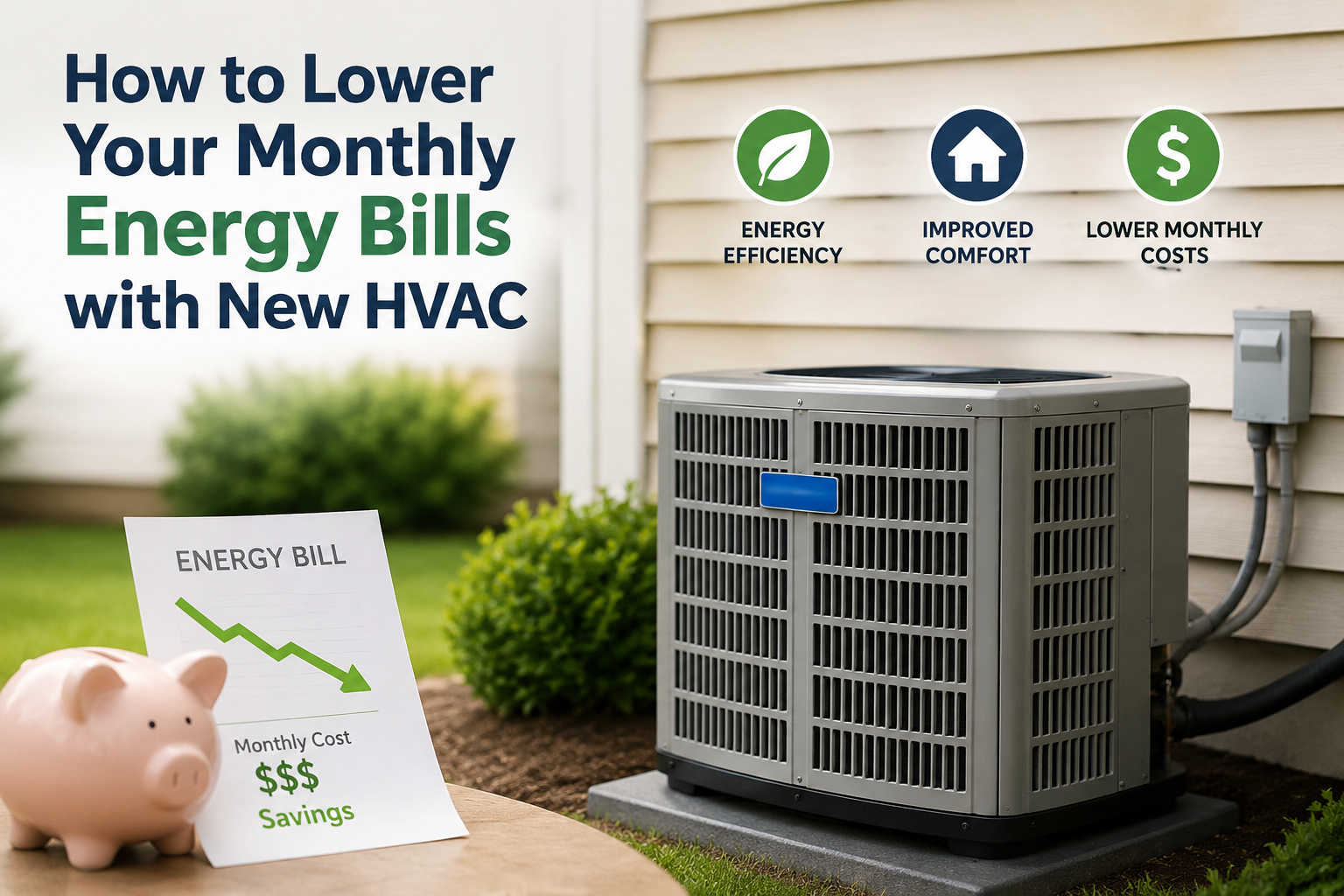
Your monthly energy bill can tell you a lot about your home. If it keeps climbing even though your habits have not changed, your heating and cooling system could be the reason. Many homeowners spend months adjusting the thermostat, replacing filters, or closing vents, hoping to save money. Sometimes those small changes help, but an older HVAC system can still waste energy every day. If you have been thinking about an upgrade, learning how a new system works can help you make a smart decision. Whether you own a home or are considering Commercial HVAC Installation Services, investing in an efficient HVAC system can make a noticeable difference in both comfort and long-term energy costs.
Table of Contents
Many people assume higher utility bills are caused only by changing weather. While hot summers and cold winters do increase energy use, your HVAC system plays an even bigger role.
As heating and cooling equipment gets older, it has to work harder to maintain the same indoor temperature. Parts wear down, airflow becomes restricted, and efficiency slowly drops. The result is longer run times and higher monthly bills.
Another common issue is that many older systems were designed using technology that simply does not match today’s energy standards. Even if your current unit still works, it may be using much more electricity than a newer model.
Have you ever noticed that one room stays warm while another always feels cold? That is often your HVAC system asking for attention.
Today’s HVAC systems are designed to deliver better comfort while using less energy. They do not just cool or heat your home. They adjust how they operate based on your indoor conditions.
For homeowners and businesses looking into commercial HVAC in Indiana, this means equipment that can maintain steady temperatures without constantly running at full capacity.
Modern systems often include features such as:
Better Energy Performance
Higher efficiency ratings allow the system to produce more heating or cooling while using less electricity.
Improved Airflow
Updated blower technology helps move air more evenly throughout the building.
Smarter Temperature Control
Programmable and smart thermostats reduce unnecessary heating and cooling when no one is home.
Quieter Operation
New equipment is built to reduce operating noise while maintaining performance.
“The cheapest HVAC system is rarely the one with the lowest price. It is the one that costs less to operate every single month.”
That simple idea often changes how homeowners think about replacing their equipment.
Sometimes the warning signs are obvious. Other times they appear so gradually that they become part of everyday life.
Here are a few indicators that your HVAC system may no longer be working efficiently.
Your Utility Bills Keep Increasing
If your monthly bills continue to rise without major lifestyle changes, your HVAC system could be losing efficiency.
Repairs Are Becoming More Frequent
One repair every few years is normal. Calling for service several times in one season usually means the equipment is reaching the end of its useful life.
Your Home Never Feels Comfortable
If some rooms are too warm while others stay chilly, your system may struggle to distribute air properly.
It Runs Almost Constantly
An HVAC system should cycle on and off. Constant operation often means it is working harder than necessary.
Replacing your HVAC system is one step. Getting the most from it comes from combining it with smart habits.
Easy Ways to Reduce Monthly Energy Costs
These simple habits help your new system perform the way it was designed.
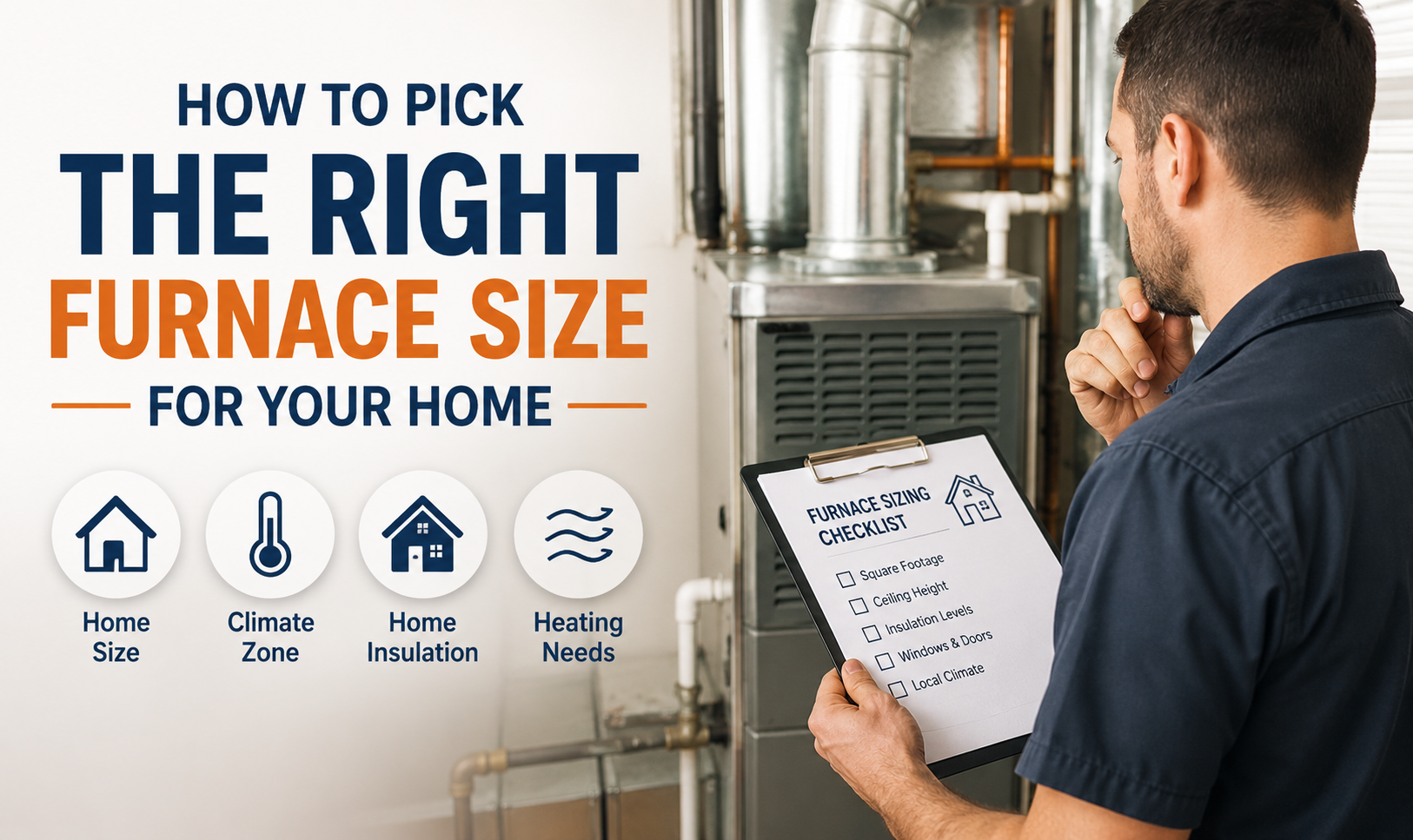
Buying a new HVAC system is not about choosing the biggest unit or the most expensive one. The right system should match your home’s size, insulation, layout, and comfort needs.
A properly sized system heats and cools more efficiently because it runs at the right pace. Oversized equipment may cool the house quickly but can leave humidity behind. An undersized unit may run constantly without reaching the desired temperature.
Ask questions during the estimate.
A trustworthy professional should explain every recommendation in plain language instead of overwhelming you with technical terms.
Even the highest-rated HVAC equipment cannot perform properly if it is installed incorrectly.
Proper installation affects airflow, refrigerant levels, system balance, and long-term reliability. Small installation mistakes can reduce efficiency and shorten the life of your equipment.
Working with an experienced HVAC contractor in Indianapolis IN helps ensure your system is installed according to manufacturer guidelines and performs as intended from the very beginning.
The goal is not simply installing new equipment. It is making sure every part of the system works together for years to come.
Many people look at a new HVAC system as an expense. It can be more helpful to think of it as an investment in your home’s daily comfort.
Lower monthly bills are only one benefit.
A properly operating system can also provide:
When these improvements are combined, your home becomes more comfortable throughout every season.
As one homeowner once joked after replacing an aging HVAC system, “My thermostat finally stopped feeling like a suggestion.”
Sometimes comfort really can make you smile.
When I meet homeowners, I know every home has its own story. Some people want lower utility bills. Others simply want a house that feels comfortable every day. My goal at Phillip’s Mechanical is to listen first, explain your options clearly, and help you choose a solution that makes sense for your home instead of pushing something you do not need. I believe honest advice, quality workmanship, and dependable service create long-term value. If you are ready to make your heating and cooling system work smarter, I would be happy to help you take the next step.
Compare your bills from the same season over the last two or three years. If your usage habits have stayed about the same but costs continue to rise, your HVAC system may be losing efficiency. A professional inspection can help determine whether the equipment is the cause.
Yes. A properly installed system begins operating more efficiently from the first day. While the exact savings vary from home to home, many homeowners notice quieter operation, more even temperatures, and shorter run times almost immediately.
Not always. Waiting for a complete breakdown can leave you without heating or cooling during extreme weather. Replacing an aging system before it fails gives you more time to compare options and plan your investment without the pressure of an emergency.
Ask how the recommended system matches your home’s size and layout. The right fit often matters more than choosing the most expensive equipment because proper sizing has a direct impact on comfort, efficiency, and long-term operating costs.
A trustworthy professional explains why a recommendation is being made, discusses repair and replacement options when appropriate, answers your questions without pressure, and helps you understand the long-term value of the solution. If the conversation feels educational instead of rushed, you are usually working with someone who puts your needs first.
July 27, 2026
June 28, 2026