Welcome to Phillip’s Mechanical
OPEN MONDAY THROUGH SATURDAY 8 AM TO 5 PM
OPEN MONDAY THROUGH SATURDAY 8 AM TO 5 PM
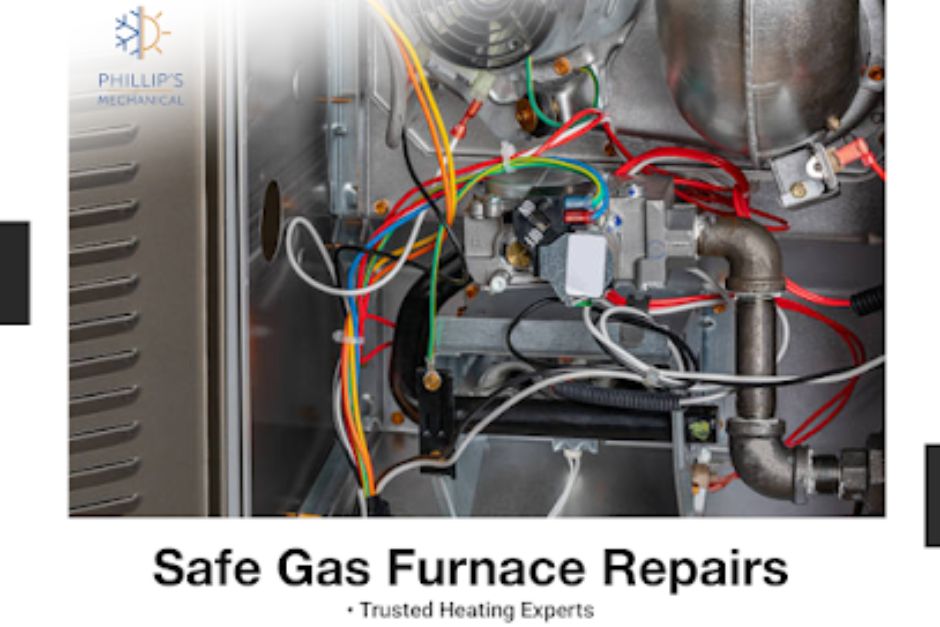
A furnace rarely stops working at a convenient time. One day it runs fine, the next it struggles to keep up. Many homeowners put off decisions because they are unsure what makes more sense. Should you fix it again or move on to a new system? If you are dealing with recurring issues and looking into gas furnace repair in Central Indiana, it helps to know what signs actually matter and what they mean for your comfort and budget.
Table of Contents
A furnace is not just another appliance. It controls comfort, energy use, and safety. A quick repair may solve the issue today, but if the system keeps breaking down, those smaller costs add up fast. On the other hand, replacing too early can feel like money wasted.
The goal is simple. Keep what still works. Replace what no longer makes sense.
Not every issue calls for a full replacement. Some problems are minor and can be fixed without much trouble.
Look at how your system behaves.
These are often repairable issues. A proper check can identify the root cause. In many cases, a single part replacement or adjustment can restore normal function.
A key factor is consistency. If the furnace has been reliable for years and just started acting up, repair is usually the smarter move.
Now let’s flip the situation. What if the same issue keeps coming back? What if the furnace struggles every winter?
Around the third paragraph of most service calls, the conversation shifts toward long term thinking. That is where furnace repair services stop being the complete answer.
Here are strong signs that replacement deserves serious thought.
At that point, you are not fixing a system. You are maintaining a decline.
A common question comes up. Is it cheaper to repair?
Short term, yes. Long term, not always.
Imagine spending smaller amounts every few months. It feels manageable. Add those costs over two or three years and the total can exceed the price of a new unit.
A simple rule helps here. If a repair costs close to half the value of a new system, replacement often makes more sense. Not as a sales push, but as a practical financial decision.
Older furnaces work harder to produce the same heat. That extra effort shows up on your energy bill.
A newer system uses less fuel and runs more efficiently. You may not notice the difference in one month. Over a full season, the savings become clear.
Think about it like an old car. It still runs, but it needs more fuel and more repairs. At some point, keeping it on the road costs more than replacing it.
Comfort is not just about temperature. It is about consistency.
A failing furnace may heat unevenly. One room feels warm, another feels cold. That constant adjustment becomes frustrating.
Safety is even more important. Gas furnaces need proper ventilation and clean operation. Cracks, leaks, or worn components can create serious risks.
If there is ever a concern about safety, delaying replacement is not worth it.
Age plays a big role in the decision.
Most gas furnaces last around fifteen to twenty years. After that point, performance drops and repairs become more frequent.
Even if it still runs, the system is working past its prime. Parts wear out. Efficiency drops. Reliability fades.
If your furnace is approaching that range, each repair should be viewed carefully. It may work today, but the pattern often continues.
Before making a final call, ask a few simple questions.
These answers give a clear direction. No guesswork needed.
If it runs consistently without repeated service calls and heats your home evenly, it still has value. If you feel uncertain each time you turn it on, that uncertainty usually points toward replacement.
Yes. A minor fix may solve the symptom but not the root cause. If the same part fails again or new issues appear soon after, the system is likely declining overall.
It can be. Emergency replacements often cost more and limit your options. Planning ahead gives you better control over timing and budget.
That usually means efficiency has dropped. The system is working harder but producing less heat. It often signals internal wear or airflow issues that may not be worth repairing long term.
Waiting too long. Many people continue repairing a system that has already reached its limit. A timely replacement often saves money and prevents stress during colder months.
If your system keeps giving you trouble, it is time to take a closer look. At Phillip’s Mechanical, we focus on what makes sense for you, not what sounds good on paper. We look at the condition, the cost, and how your system is performing day to day. If you need honest input on Indianapolis furnace repair, we are here to help you make a clear decision without pressure.
July 29, 2026
July 27, 2026